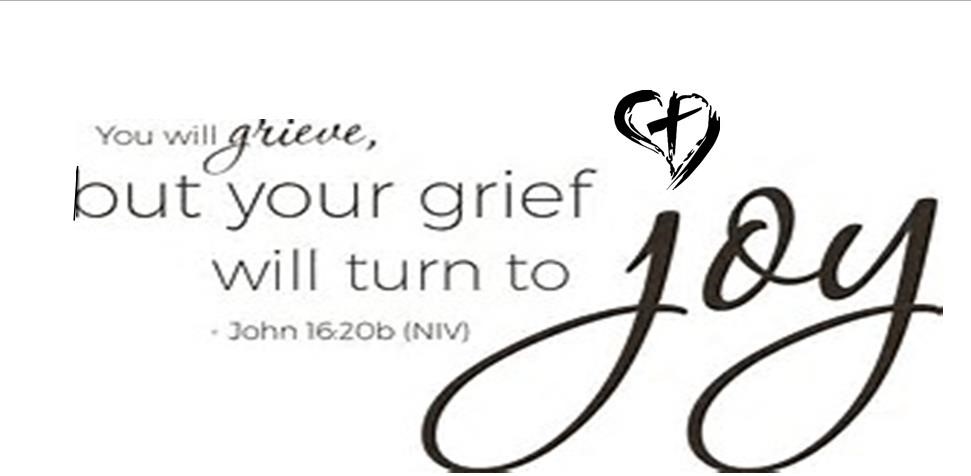
“You will grieve as long as you have the memory of that person, but when it becomes so intense and stops us from moving forward… that is Traumatic Grief.”
-My Prof.
No lie. When you lose someone, it’s like the world goes silent and immediately! Your mind begins to play back every. single. memory you’ve ever had with that person as if God himself hit the play back button on your life. Then you become frozen –unable to do much of anything besides… well, breathe. Breathe slowly, but deeply and intensely…
What is Traumatic Prolonged Grief Disorder:
- Separation from loved one by death is a threat to homeostasis and it triggers extreme and disabling reactions.
- It is then, a natural reaction to the permanent separation with marked and alarming difficulty in adjusting to the loss.
- Death of a loved one
- disruptive
- painful
- profound
- waves of pain
- emptiness
- loss of meaning
- enduring sense of absence
- fragmented memories of loved one
Symptoms of Traumatic Grief:
- Preoccupation with the deceased
- Preoccupation with the way the death happened
- Difficulty with positive reminiscing of the deceased
- Persistent yearning to be with the deceased
- Anger and bitterness related to loss
- Numbness
- Self-blame
- Loss of sense of vision for the future
- Confusion about one’s role in life
- Suicidal thoughts
- Marked difficulty accepting death
In short… Traumatic Grief is when the grief of a loved one’s death completely consumes you and disrupts your everyday functioning.
As we reviewed this in class, I thought about the many different ways we experience grief and it does not occur solely through the means of death. We can grieve over the loss of a long-time friendship, an ended relationship, not achieving life milestones, and even thoughts about how things could’ve been or should’ve been. We grieve over a variety of things and sometimes we allow it to linger far longer than we should, thus, making a home for it within us.
Getting through the grieving process is never a matter of forgetting someone, but rather, realizing that YOU are still here. When we endure losses, we can become so disconnected and removed from where we presently are. After losing a loved one, fear settles in and death no longer stands as our horror –LIVING does. I remember taking a Death, Dying, and Bereavement course in college and the first thing my professor said was, “I want to tell you right now, this class has nothing to do with death and everything to do with life.” We must learn to live life to the FULLEST to begin to accept the reality of death.
Then I thought of the Black community –how there is such an emphasis on commemorating the life of someone whose passed on. I thought about the many faces I’ve seen on t-shirts, hoodies, and other paraphernalia, all in remembrance of this person and I couldn’t help but think… whom among these people suffer from Traumatic Grief and have no clue? Sometimes pain doesn’t look like pain… it disguises itself in dressing well, living lavish, staying busy, working all day, joking, posting “fake-happy” pics on social media, but man oh man is it there.
Sometimes someone’s “livin’ my best life” is really all they have left OF life.
-Sa.
Death, of any form, is the common experience. No one can ever prepare for it and the grief that follows cannot always be contained. However, my belief is that with every new transition, comes an opportunity to go through a process of re-invention and re-building of the self. So cry all the tears you need to cry, scream, exercise, pray or meditate –but do not remain in the shadows of grief because you are still here. You are still here.
Resources for Grief
The Cover Center for Grieving Children
 sweetSARendipity